
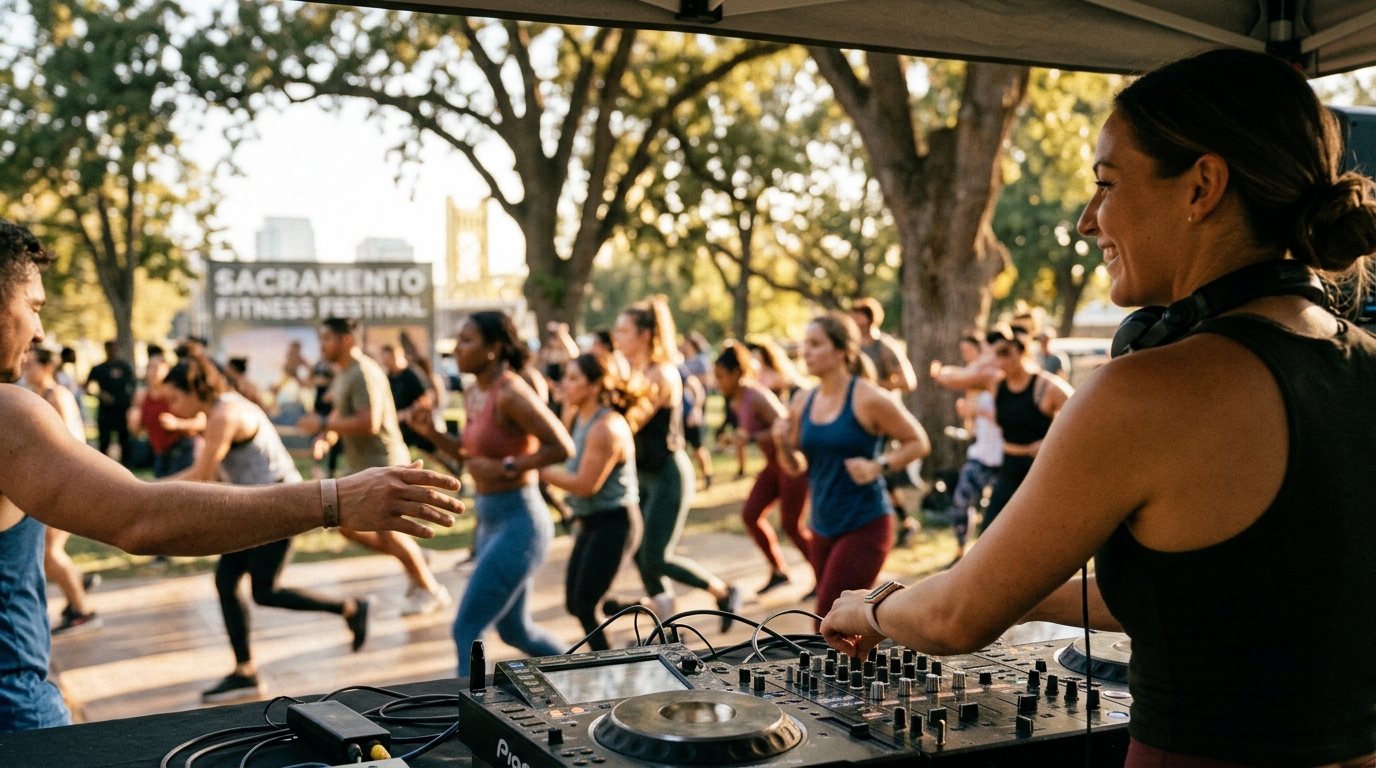
What to Know Before Hiring a DJ for a Sacramento Fitness Event
Technical Requirements for High-Energy Audio
Music Licensing and Copyright Compliance
Playing copyrighted music in a commercial setting requires specific permissions. Performance rights organizations are entities that license the public performance of musical works. Gyms and fitness studios often hold blanket licenses through their membership fees. However, special events may require additional coverage. You must verify if the venue's existing license covers one-off events. If not, the DJ or the organizer must secure a temporary license. This protects the business from legal liability. It ensures that artists are compensated for their work. For additional details, review the .
Local Logistics and Venue Constraints
Sacramento venues have specific operational rules that affect audio setup. Decibel limits are the maximum allowable sound levels in a given area. Many commercial districts in Sacramento have strict noise ordinances. These rules often change after certain hours, such as 10 PM. You must check the specific venue's restrictions before booking. The DJ must be able to adjust the mix to comply with local laws. This prevents complaints from neighbors or nearby businesses. It also avoids potential fines for the event organizer. For additional details, review the Customer Experience.
Defining the Event Atmosphere and Pacing
The music must align with the specific type of fitness activity. A yoga class requires a different sonic landscape than a high-intensity interval training session. Beats per minute is the standard metric for measuring the speed of a musical track. For cardio workouts, tracks typically range from 120 to 150 BPM. For strength training, slower tempos may be more appropriate. The DJ must understand these physiological responses. They should curate a playlist that matches the workout phases. This creates a cohesive and motivating environment for participants. For additional details, review the Frequently Asked Questions.

Key Takeaways
- Verify that the audio system can handle high volumes without distortion in large spaces. For additional details, review the About.
- Ensure all music played is covered by appropriate performance rights licenses.
- Check local Sacramento noise ordinances and venue-specific decibel limits.
- Confirm the venue has sufficient power capacity for professional audio equipment.
- Match the beats per minute of the music to the specific fitness activity.
- Coordinate with the instructor to align music transitions with workout phases.
- Use licensed commercial music libraries instead of personal streaming accounts.
Frequently Asked Questions
Do I need a special license to play music at a gym event?
Yes, commercial venues typically need performance rights licenses. Verify if the venue's existing license covers special events. If not, you must secure additional coverage to avoid legal issues.
What is the ideal volume for a fitness class?
The volume should be high enough to be felt but not so loud it causes discomfort. It must comply with local noise ordinances. The DJ should adjust the mix based on the room acoustics.
Can I use Spotify for my fitness event?
No, personal streaming accounts are not licensed for public performance. Use a DJ with access to licensed commercial music libraries. This ensures legal compliance and high audio quality.
How much power does a DJ setup require?
Professional systems can draw significant power. Check the venue's electrical capacity beforehand. If necessary, the DJ may need to bring a generator or use a more efficient setup. Learn more: crypticstore shop.